
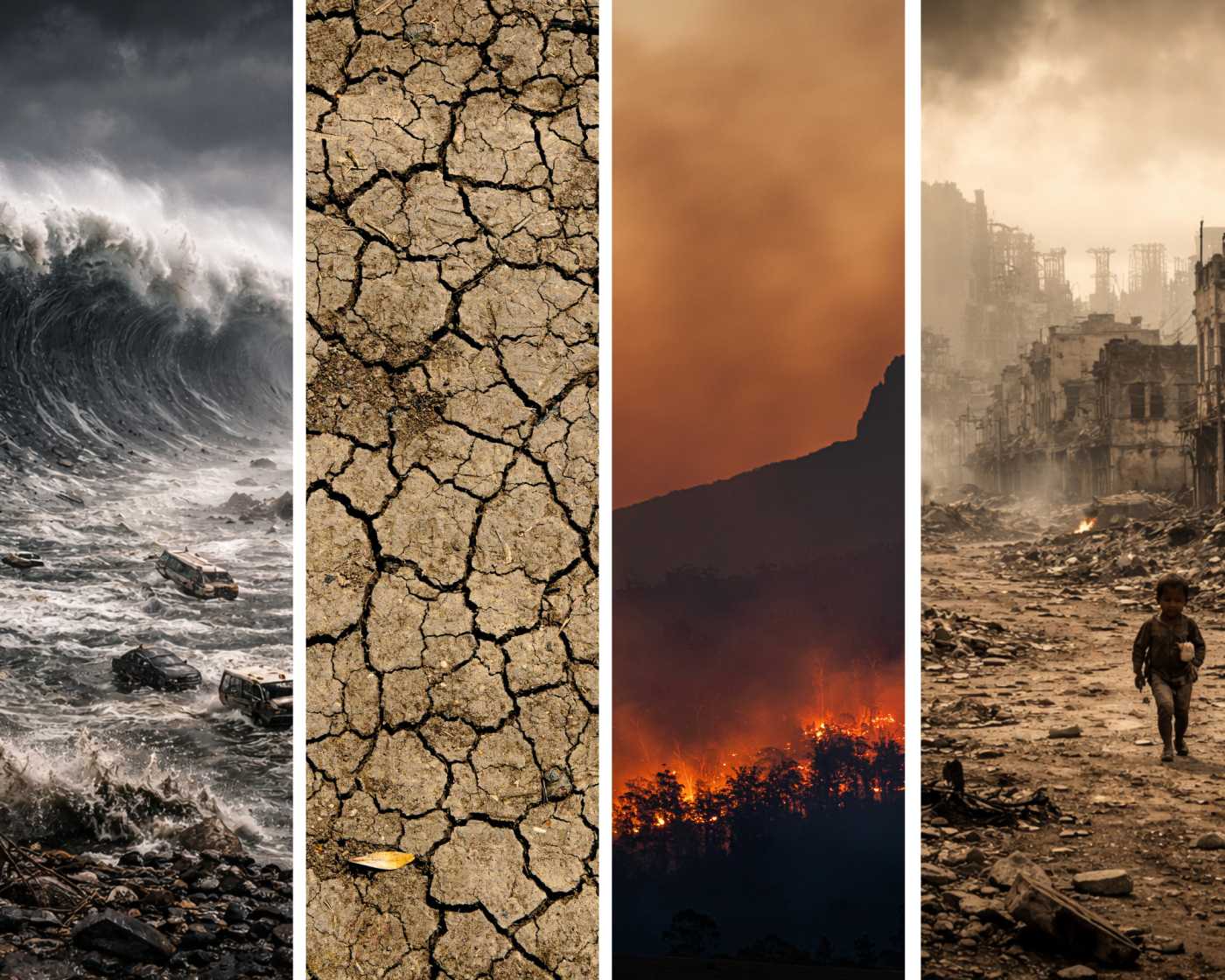
War, Geopolitics, and Climate Change: The Hidden Environmental and Human Cost of Armed Conflict
Public Awareness Note
This article is published for educational and knowledge-sharing purposes only to encourage awareness about global environmental challenges.
Introduction
Armed conflicts are often discussed in terms of political tensions, humanitarian crises, and economic consequences. However, one of the less visible yet profoundly serious impacts of war is its contribution to environmental degradation and climate change.
Modern warfare involves large-scale military operations, destruction of infrastructure, massive fuel consumption, and long-term ecological damage. Conflicts and geopolitical instability can indirectly intensify global environmental challenges.
Understanding the connection between war, climate change, and human well-being is essential for shaping responsible global policies and promoting sustainable peace.
Military Operations and Greenhouse Gas Emissions
Modern military operations rely heavily on fossil fuels. Fighter jets, naval fleets, tanks, and armored vehicles consume enormous quantities of aviation fuel and diesel.
A single fighter jet can burn thousands of liters of fuel in just a few hours. Missile launches, drone strikes, and explosive weaponry release large volumes of carbon dioxide and other pollutants into the atmosphere.
These emissions contribute to the Greenhouse Effect, which leads to rising global temperatures.
Destruction of Energy Infrastructure
During wars, strategic targets frequently include:
-
Oil refineries
-
Power plants
-
Fuel storage depots
-
Gas pipelines
When such facilities are destroyed, massive amounts of smoke, toxic chemicals, and greenhouse gases are released into the atmosphere.
These pollutants contaminate surrounding land and water systems, harming ecosystems and agricultural productivity for years.
Fires and Environmental Degradation
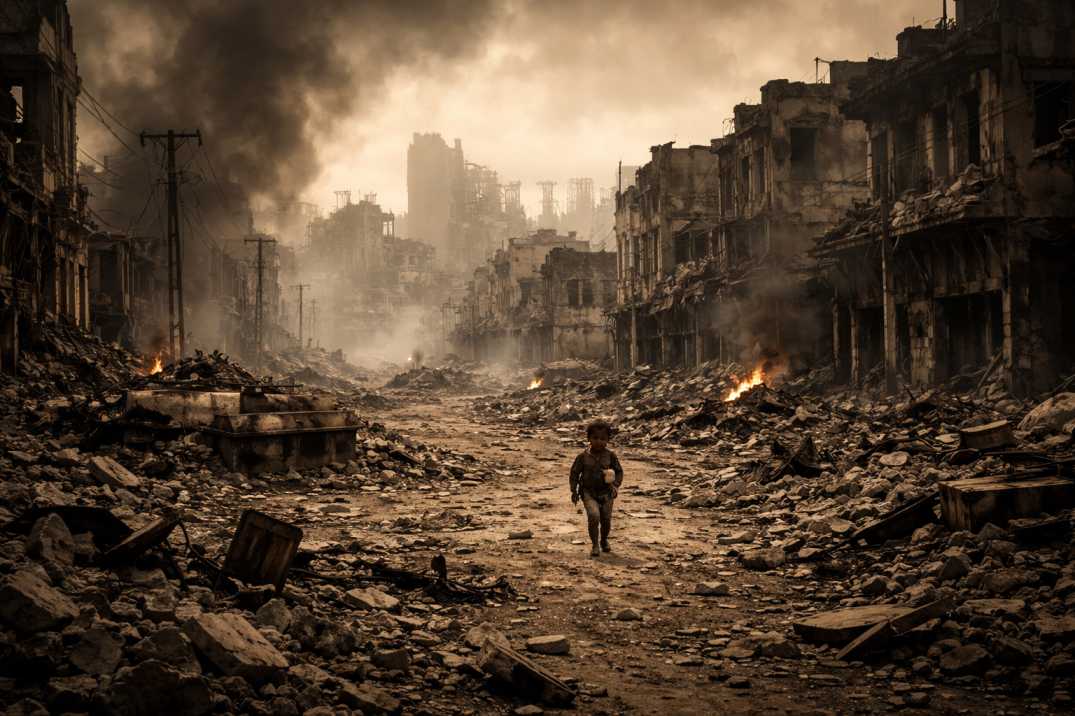
Explosions during armed conflicts often trigger widespread fires in urban areas, forests, and industrial zones.
These fires release:
-
Carbon dioxide
-
Methane
-
Soot particles
Black carbon absorbs sunlight and accelerates atmospheric warming.
Additionally, war destroys forests that normally absorb carbon dioxide through carbon sequestration, worsening climate change.
Soil, Water, and Ecosystem Pollution
War introduces hazardous substances into the environment, including:
-
Heavy metals
-
Military chemicals
-
Fuel spills
-
Explosive residues
These pollutants contaminate agricultural land, drinking water sources, and biodiversity.
Environmental degradation can lead to:
-
food insecurity
-
displacement
-
long-term social instability.
Carbon-Intensive Reconstruction
After war ends, rebuilding cities requires materials such as:
-
cement
-
steel
-
energy
These sectors produce large amounts of carbon emissions.
Cement production alone contributes significantly to global greenhouse gas emissions.
Human Consequences of Climate Impact
Environmental damage caused by war directly affects human life.
1 Health Problems
Air pollution from explosions and fires can cause:
-
respiratory diseases
-
lung infections
-
heart disease
Children and elderly people are particularly vulnerable.
2 Food and Water Insecurity
War destroys farmland and irrigation systems.
This results in:
-
reduced agricultural production
-
rising food prices
-
hunger and malnutrition.
3 Displacement and Climate Migration
Environmental destruction forces people to leave their homes.
Millions may become environmental refugees, moving to safer regions in search of resources.
4 Mental and Psychological Impact
Communities affected by war and environmental disasters experience:
-
trauma
-
anxiety
-
long-term psychological stress.
5 Global Climate Impact
Climate change accelerated by conflicts contributes to:
-
rising global temperatures
-
extreme weather events
-
floods and droughts
-
rising sea levels.
These impacts affect people worldwide.
Rising Global Temperature: What Happens?
When global temperatures rise, multiple crises follow.
Extreme Weather
More frequent:
-
heatwaves
-
hurricanes
-
floods
-
droughts
-
wildfires.
Melting Ice and Rising Sea Levels
Melting glaciers lead to:
-
coastal flooding
-
ecosystem loss
-
displacement of coastal communities.
Food and Water Crisis
Climate change disrupts agriculture through:
-
irregular rainfall
-
crop failures
-
soil degradation.
Health Impacts
Higher temperatures cause:
-
heat strokes
-
spread of infectious diseases
-
poor air quality.
Are We Close to Critical Climate Thresholds?
Scientists estimate:
Earth has already warmed about 1.1-1.2°C above pre-industrial levels.
The Paris Agreement aims to limit warming to 1.5°C.
If temperatures reach 2°C or higher, extreme climate risks increase dramatically.
Conclusion
War and climate change are deeply interconnected global challenges. Military operations, environmental destruction, and carbon-intensive reconstruction accelerate climate change and damage ecosystems.
At the same time, these environmental impacts threaten human health, food security, and global stability.
Understanding the hidden environmental cost of armed conflict reminds us that sustainable peace is not only a political goal but also an environmental necessity.
Promoting peace, strengthening international cooperation, and integrating climate responsibility into global security policies are essential for protecting both humanity and the planet.
Disclaimer
This article is published for educational and knowledge-sharing purposes only to encourage awareness about global environmental challenges.
.jpg)